
SkyRise Miami Set To Begin Construction in Q2 2019
SkyRise Miami, the proposed 1,000’ entertainment and observation tower which is poised to become the tallest tower in Florida, is gearing up to break ground in Q2 2019. The entertainment and observation tower is being designed by Arquitectonica and under development by Berkowitz Development Group
SkyRise Miami, the proposed 1,000’ entertainment and observation tower which is poised to become the tallest tower in Florida, is gearing up to break ground in Q2 2019. The entertainment and observation tower is being designed by Arquitectonica and under development by Berkowitz Development Group, who have retained Plaza Construction as the contractor on the project. The project was first proposed in 2013 before being derailed by lawsuits and contested use of public subsidies. In 2015 the Florida Supreme Court put a stop to challenges by community activists who aimed to stop development of the project. SkyRise Miami is expected to be completed in 2023.
SkyRise Miami will featured an indoor controlled free-fall system, a “drop tower-style” ride which will hit speeds of 95 mph and a selection of observation decks overlooking Biscayne Bay, PortMiami, Miami Beach, Key Biscayne, the Atlantic Ocean and the Miami Skyline. In 2016 Berkowitz Development Group inked a deal with Legends Hospitality Group for day-to-day management, guest interactions, sales and marketing, as well as food and beverage operations.
Inside Florida's Newly-Signed State Law Regarding Public Access to Private Beaches
The bill, signed by Gov. Rick Scott last month, has spurred questions from beach residents and businesses alike; some fear access to Florida’s coastline will be cut off immediately. State ownership of Florida beaches extends from the mean high tide mark (wet sand) seaward to navigable waters, and private ownership extends from the mean high tide mark upland.
The bill, signed by Gov. Rick Scott last month, has spurred questions from beach residents and businesses alike; some fear access to Florida’s coastline will be cut off immediately. State ownership of Florida beaches extends from the mean high tide mark (wet sand) seaward to navigable waters, and private ownership extends from the mean high tide mark upland (dry sand).
Starting July 1, H.B. 631 will make it harder for local governments to mandate access to the privately owned beaches. It prevents municipalities from adopting ordinances to allow public entry when private property owners want to block off their beaches. Instead, the city or county would need to get a judge’s approval — by suing the private landowners. Litigation is likely inevitable as the public expects open access to beaches and would add a burden on the courts without providing any additional funding.
In the past, municipalities were able to issue a Customary Use Ordinance to allow public access. The term “customary use” refers to the general right of the public to enjoy public beach access based on the legal doctrine of custom. The Florida Supreme Court recognizes such ordinances when the public’s use has been “ancient, reasonable, without interruption, and free from dispute.”
According to the state Department of Environmental Protection, Florida has 825 miles of sandy beaches. Opponents of the new law worry that it will encourage private owners to restrict access by posting signs or roping off sand to prevent trespassing. Public officials worry how the limits will affect tourism, as beach recreation is a primary draw for visitors.
Unfortunately, the effects of the law will be revealed on a case-by-case basis. Florida Senator Kathleen Passidomo, R-Naples, sponsored the bill in response to a complaint by Walton County residents, who were tired of beachgoers setting up chairs and leaving trash behind on their properties. They sued the county for not allowing them to restrict public access, and lost. Most resorts along the Eastern coastline, however, say they have no intention of restricting their beaches. Miami Beach says the law will have no impact there because the beachfront is public and state owned.
Article by Katya Demina
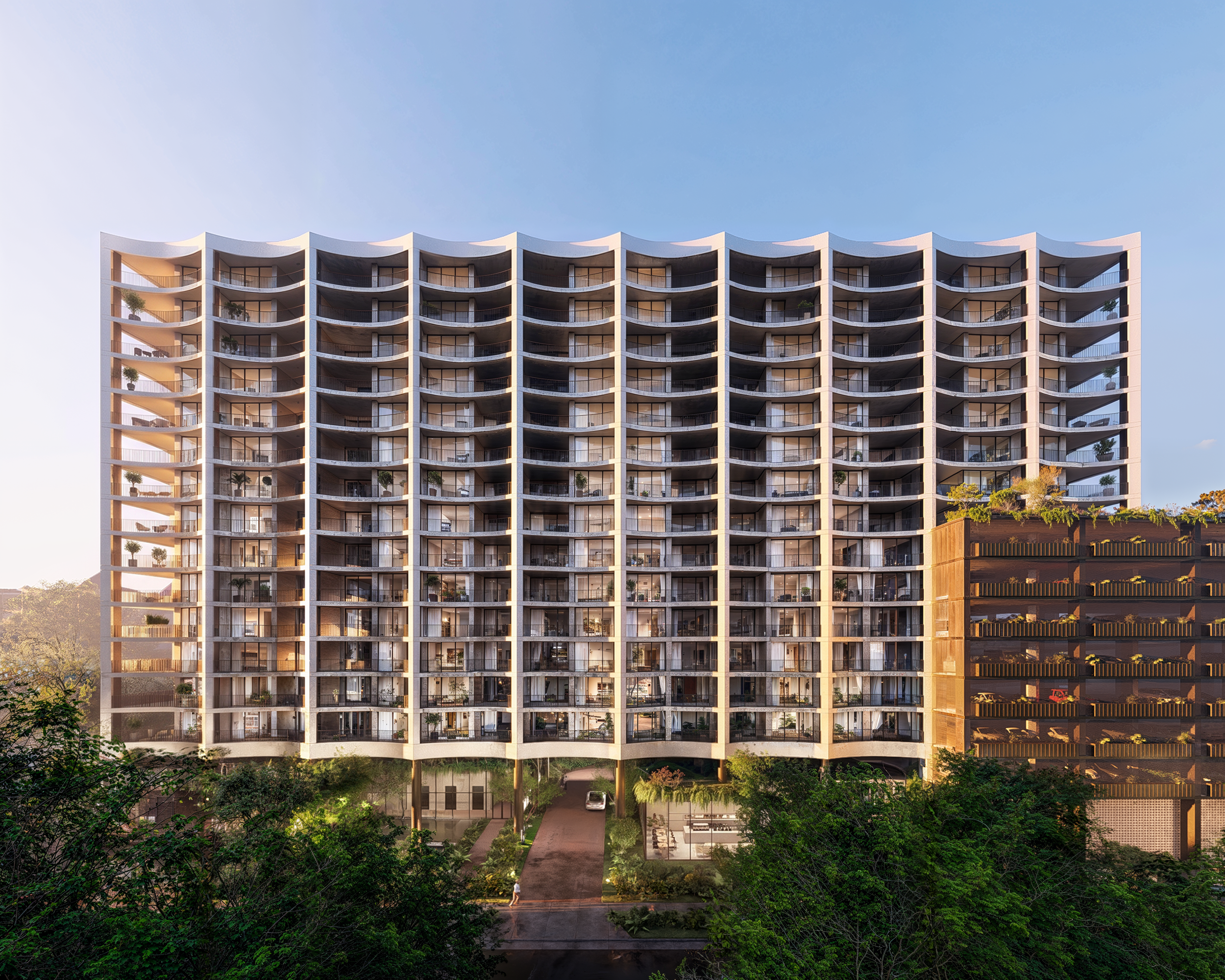
Mast Capital and BH Group have announced Raffles Residences Coconut Grove, the brand’s first standalone residential development, with 35 homes from $4.5 million and architecture by Brandon Haw.