
Florida Named Second Fastest Growing State Averaging 900 New Residents Per Day
Florida has been named the second fastest growing state according to the United States Census Bureau, trailing only Texas. Florida added 327,811 new residents between July 1, 2016 and July 1, 2017, about 900 new residents per day.
Florida has been named the second fastest growing state according to the United States Census Bureau, trailing only Texas. Florida added 327,811 new residents between July 1, 2016 and July 1, 2017, about 900 new residents per day. The recent influx of new residents has been bolstered by northern states extreme tax and financial struggles as local and state politicians continue to tighten the tax noose on residents. Florida has no income tax, which has attracted wealthy families and individuals from states like Connecticut, New York, New Jersey, and Massachusetts, amongst others at breakneck speed. Hedge fund big wig Paul Tudor Jones of Tudor Investment Corp. moved from Greenwich, Connecticut to Florida in 2015 after Connecticut passed two of the largest tax increases in history between 2011 and 2015, taking with him over $30 million in income tax revenue. In September 2016 PROFILEmiami reported that Barry Sternlicht, CEO of Starwood Capital Group and chairman of Starwood Property Trust, also fled Connecticut to become a Florida resident. Florida now has 1.1 million more residents than New York and is growing at a pace twenty five times faster than its northern counterpart which added only 13,113 new residents last year despite local claims the state is experiencing great growth. Florida is now the third most populous state behind only California and Texas. Now, Florida once again stands poised to continue and even accelerate growth as the Tax Cuts and Jobs Act of 2017 essentially makes Florida the model on which states should tax their residents. On December 22, 2017, President Donald Trump singed into law the Tax Cuts and Jobs Act of 2017, after the bill was passed by the United States Congress. The bill caps taxpayer's ability to deduct state individual income, sales and property taxes up to a limit of $10,000 starting in 2018. The current deduction was unlimited, allowing high tax states like New York to shift tax revenue from the federal government to state and local government. While residents of these high tax states have for years cautioned local politicians from continuing to hike taxes, taxes have continued to rise and the elimination of the SALT Deduction now makes it much more expensive to live in these states. As the effects of the tax cuts begin to be seen Florida's rapid population rise should be poised to continue through 2018.
Miami Top Major U.S. City in 2016 For International Immigration
The Miami Metropolitan area was the top major U.S. city market in 2016 for international immigration. The year-over-year growth for the area was 1.1%. Miami is also reportedly the number one U.S. city for foreign born working professionals and those holding college degrees. This influx of immigration has helped bring equilibrium to a market that many thought may have been overdeveloped. This has led to rising housing prices, rising rents, low vacancy rates and rising record employment numbers.
Miami-Dade County/ Miami Metropolitan Area Sets New Record For Employment
In January 2017, Miami set a new record high for employment as the population continue to rapidly rise. The Miami Metropolitan Area increased by 64,670 people in 12 months, split evenly between Miami-Dade, Broward and Palm Beach Counties. according to new census data. The study was ran from July 1, 2015 through July 1, 2016. The Miami Labor Force, according to the US Bureau of Labor Statistics was 1,360,727 in January 2017, up from 1,333,962 in January 2016. January 2017 also showed 1,291,079 of the 1,360,727 were employed. The total labor force for the Miami Metropolitan Area in January 2017 was 3,100,186. The job sector is led by finance, education and health services, and leisure and hospitality.
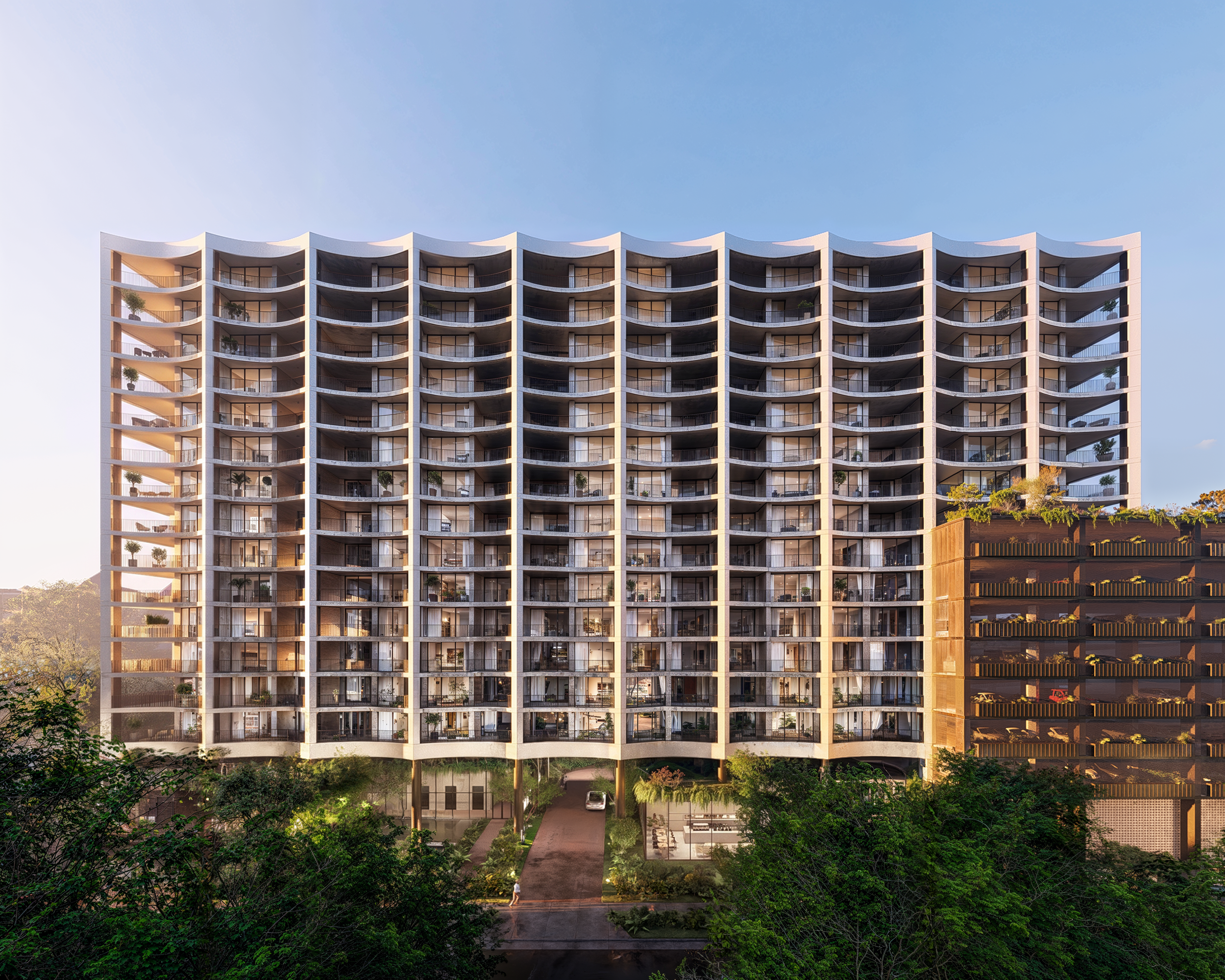
Mast Capital and BH Group have announced Raffles Residences Coconut Grove, the brand’s first standalone residential development, with 35 homes from $4.5 million and architecture by Brandon Haw.