
Miami City Commission Approves Savino Miller-Designed Baywalk And Riverwalk Design Guidelines For Downtown Miami and Brickell
The Miami City Commission has approved the Savino Miller Design Studio-designed design guidelines for the Miami Baywalk, a priority of the DDA (Downtown Development Authority) and achievement that has been over 40 years in the making.
The Miami City Commission has approved the Savino Miller Design Studio-designed design guidelines for the Miami Baywalk, a priority of the DDA (Downtown Development Authority) and achievement that has been over 40 years in the making. The effort dates back to the 1979 Dan Paul ordinance requiring 50-foot setbacks along the waterfront and requiring developers to build and maintain a 25-foot wide public promenade.
The Miami-based Savino Miller Design Studio was selected by the Downtown Development Authority to design the baywalk in 2017. The approved design will make the Baywalk one uniform pathway that is well lit and aesthetically attractive. The design provides resiliency and is both functional and sustainable to protect the shoreline. The pedestrian pathway will also be well lit for safety as well as feature public art and lush landscaping.
The vote amends the City's Miami 21 code to include required design guidelines, carrying big implications for developers planning future projects along the water. From this point forward, any permits pulled for new development or significant renovations to existing properties will have to abide by the ‘Waterfront Walkway Design Guidelines’ that provide a clear and cohesive vision for the design and construction for both the Baywalk and Riverwalk. The 4.5 mile baywalk and riverwalk will feature a uniform plan for seating, paving, lighting, landscaping, etc. Areas zoned for singe-family homes and duplexes will be exempt from the guidelines.
Renderings via Savino Miller Design Studio
Wynwood Norte Takes A Step Towards Approval After Rezoning Approved By Miami City Commission
Wynwood Norte is one step closer towards approval after the Miami City Commission voted unanimously to approve the rezoning of the area just north of Wynwood to allow mid-rise development for infilled housing. The community plan still needs to be reviewed by state officials.
Wynwood Norte is one step closer towards approval after the Miami City Commission voted unanimously to approve the rezoning of the area just north of Wynwood to allow mid-rise development for infilled housing. The community plan still needs to be reviewed by state officials. The zoning changes included relaxing the parking requirements for both residential and commercial properties and allowing development up to four floors for projects with 20% affordable housing. In the development area on NW 36th Street and North Miami Avenue mixed-use projects can now rise up to eight stories and residential projects can now rise five stories. Miami-Dade County will also partner with developers to redevelop roughly 1,400 units on county owned land. The revitalization plan was organized by the Wynwood Community Enhancement Association and planned by PlusUrbia. The Wynwood Community Enhancement Association is made up of a mix of local residents, property owners, community organizations and local businesses who recognized that the current zoning stifled development in the area.
Miami City Commission Approves $6.9 Million To COVID-19 Rent & Utility Assistance For Low-Income Households
The Miami City Commission voted unanimously to approve $6.9 million in rent and utility assistance for low-income residents who recently lost their jobs due to the COVID-19 pandemic. Independent contractors such as realtors are not eligible for the loans, neither are those receiving rental subsidies or are behind on their payments.
The Miami City Commission voted unanimously to approve $6.9 million in rent and utility assistance for low-income residents who recently lost their jobs due to the COVID-19 pandemic. Independent contractors such as realtors are not eligible for the loans, neither are those receiving rental subsidies or are behind on their payments. Those eligible for the payments are one-person households earning less than $38,400 per year, two-person households earning less than $43,920 per year, three-person households earning less than $49,380 per year, and four-person households earning less than $54,840 per year. The $6.9 million which was approved also includes $2 million in federal and state grand money for households which earn less than 60% of the Miami-Dade County median income. Each eligible household will be limited to receive a maximum of $1,500 and applicants must show proof that they have los their jobs after March 1 and have paid rent through February 2020. The payments will be sent directly to landlords and utility companies. The funds will only be available until enough applications have been received to deplete the available funding and the application period ends at 5 P.M. on May 8.
Miami has been in an affordable housing crisis due to rapidly rising rents and property values. 35.4% of city residents reportedly spend more than 50% of their household income on their housing. On April 2 Florida Governor Ron DeSantis issued an executive order which barred evictions and foreclosures for 45 days, but it is expected that there will be mass eviction cases filed due to unpaid rent when the order expires.
Magic City Innovation District Set To Transform Little Haiti After Receiving Final Approval
Magic City Innovation District (MCID), a 17.7-acre Innovation District in Miami’s Little Haiti and Little River neighborhoods, has received a unanimous final approval from the Miami City Commission. MCID spans 6 city blocks and intends to redevelop the Little Haiti and Little River neighborhoods to create a walkable, campus-like neighborhood where individuals from all demographic backgrounds can enjoy a high-quality live, work, play lifestyle. With an emphasis on technology, sustainability, health and wellness and art and entertainment, MCID will contribute to the economic vitality of the area and enhance the appeal of the community.
Renovations and construction commenced in August 2018 on 17 of MCID’s 21 commercial buildings. The project's first phase of commercial development features 200,000 SF of leasable space spread through several modernized warehouses. Designs for the commercial spaces, which range from 300 to 14,000 SF, are spearheaded by a variety of local design firms, including McKENZIE and ELM Architects. MCID anticipates being ready to receive office, retail and other commercial tenants as early as September 2018. Metro 1 is overseeing lleasing efforts for the 17 spaces, geared toward creative-style tenants that align and shape MCID’s atmosphere and further promote foot and auto traffic throughout the neighborhood. The developers will also contribute $31 million to the Little Haiti Revitalization Trust which will be overseen by the city
When complete, the Magic City Innovation District Will feature 3.8 acres of public civic space, 2.18 acres of landscaped pedestrian promenade dubbed the Promenade du Grand Bois, 2,630 residential units, 1,987,686 SF of office, 101,669 SF of expo space, 432 hotel rooms, 344,538 SF of retail, and 6,081 parking spaces. The first 4 tenants to commit to MCID were revealed in Sprinf 2019 including Diana Lowenstein Gallery, Manmar Entertainment (marketing), Ecovie (recycling start-up), and COOL Creative (advertising).
Formula One Is Coming To Downtown Miami In 2019 After City Commissioners Vote Unanimously
Last week the Miami City Commission voted 5-0 to bring a Formula One Grand Prix to Downtown Miami. Set to be part of Formula One's 2019 schedule, most likely in October, and will give the circuit a second event in the United States.
Last week the Miami City Commission voted 5-0 to bring a Formula One Grand Prix to Downtown Miami. Set to be part of Formula One's 2019 schedule, most likely in October, and will give the circuit a second event in the United States. The vote approved Resolution No. 22, which approves bringing a Formula One race to the city, Formula 1 Miami Grand Prix, from 2019 through 2028. The 2.57-mile course will run through Downtown Miami's Biscayne Boulevard, American Airlines Arena and PortMiami; although 4-time World Champion Lewis Hamilton, who is ecstatic about the race coming to Miami, has said that he would like to see changes to the proposed track. Promotions will be handled by Related Companies' and Miami Dolphins' owner Stephen M. Ross via his Ross Initiative in Sports for Equality (RISE).
The approval of Formula One to come to Miami will bring a major, positive economic impact to the city. Formula One has 500 million global fans and currently hosts 21 races across five continents which are broadcast to over 1.8 billion viewers. The U.S. Grand Prix, which takes place in Austin, has attracted over 200,000 visitors to the city during race weekends. Adding races in the United States has been a goal of Liberty Media Corp. who acquired Formula One in 2016 for $1.1 billion in cash, 138 million Liberty Media shares and $351 million worth of an exchangeable debt instrument, issued by Formula One, which can be exchanged for shares of Liberty Media. Liberty Media also assumed $4.1 billion in Formula One's current debt. Liberty Media is also aiming to host races in the Las Vegas and New York markets which should further bolster the sports' fast growing popularity in the U.S.
Miami City Commission Unanimously Votes To Approve Micro Units
Miami city commissioners voted unanimously in favor of an ordinance that ultimately paves the way for micro units in Miami. The new ordinance reduces the minimum size of a residence from 400 SF to a mere 275 SF. Where property is zoned for over 150 units per acre, the new ordinance would only apply to transit zones near the Metromover and Metrorail stations.
Miami city commissioners voted unanimously in favor of an ordinance that ultimately paves the way for micro units in Miami. The new ordinance reduces the minimum size of a residence from 400 SF to a mere 275 SF. Where property is zoned for over 150 units per acre, the new ordinance would only apply to transit zones near the Metromover and Metrorail stations. Developers have set their sights on the fast-growing Downtown Miami and Wynwood, where land is becoming extremely scarce and expensive. Related Group, Moishe Mana, Jeff Greene, Tony Cho's Metro 1 and PMG are all in support of bringing micro units to South Florida's urban areas. Those in support of micro units hold that they bring affordable housing options to densely populated urban areas as well as allow residents to enjoy high-quality and amenity rich lifestyles in walkable, urban neighborhoods. In 2014 the Urban Land Institute published a study that claimed smaller units have higher occupancy rates; units under 600 SF had 91.3% occupancy rates while units that ranged from 600 SF to 1,000 SF had occupancy rates of 89.6% and units above 1,000 SF had occupancy rates of 89.3%. Others believe that the new ordinance will allow them to build more units on a smaller footprint. Related Group is already maxing-out the Miami 21 Zoning Code minimum unit size in their new Wynwood 25 mixed-use project that will feature 289 residential units which start around 400 SF. Wynwood 25 is under development by Related Group and East End Capital.
Despite that, other developers feel that micro units will not make living more affordable. Carlos Melo, principal of the Melo Group, one of South Florida's most prolific and largest developers, holds that the cost of land will hold the price per unit the same no matter the size. He holds that in urban areas where land is even more scarce to assemble such as New York City, micro units make sense, but not in Miami where residents will have larger, more luxurious options for the same price and developers still have the ability to assemble land. The ability to assemble land in South Florida, in which Miami has seen the final waterfront development plots be picked up and land-banked or developed over the past cycle, has led to South Florida producing some of the finest residential buildings the world has ever seen across a variety of price ranges including NIR Investment's CANVAS to Dezer Development's Porsche Design Tower. All of these towers feature a slew of amenities from private beach clubs to squash courts and cigar rooms. Where micro units shine, there are not comparable buildings to compete with and typically residents must choose between an old but large unit or a brand new, modern, smaller unit. Few residential buildings in New York that offer units that are either micro units or would compete with micro units amenities that make buildings differ from each other. If in Miami for the same price you could live in a large, new amenity rich condo for the same price as a micro unit, the demand for micro units remain to be seen.
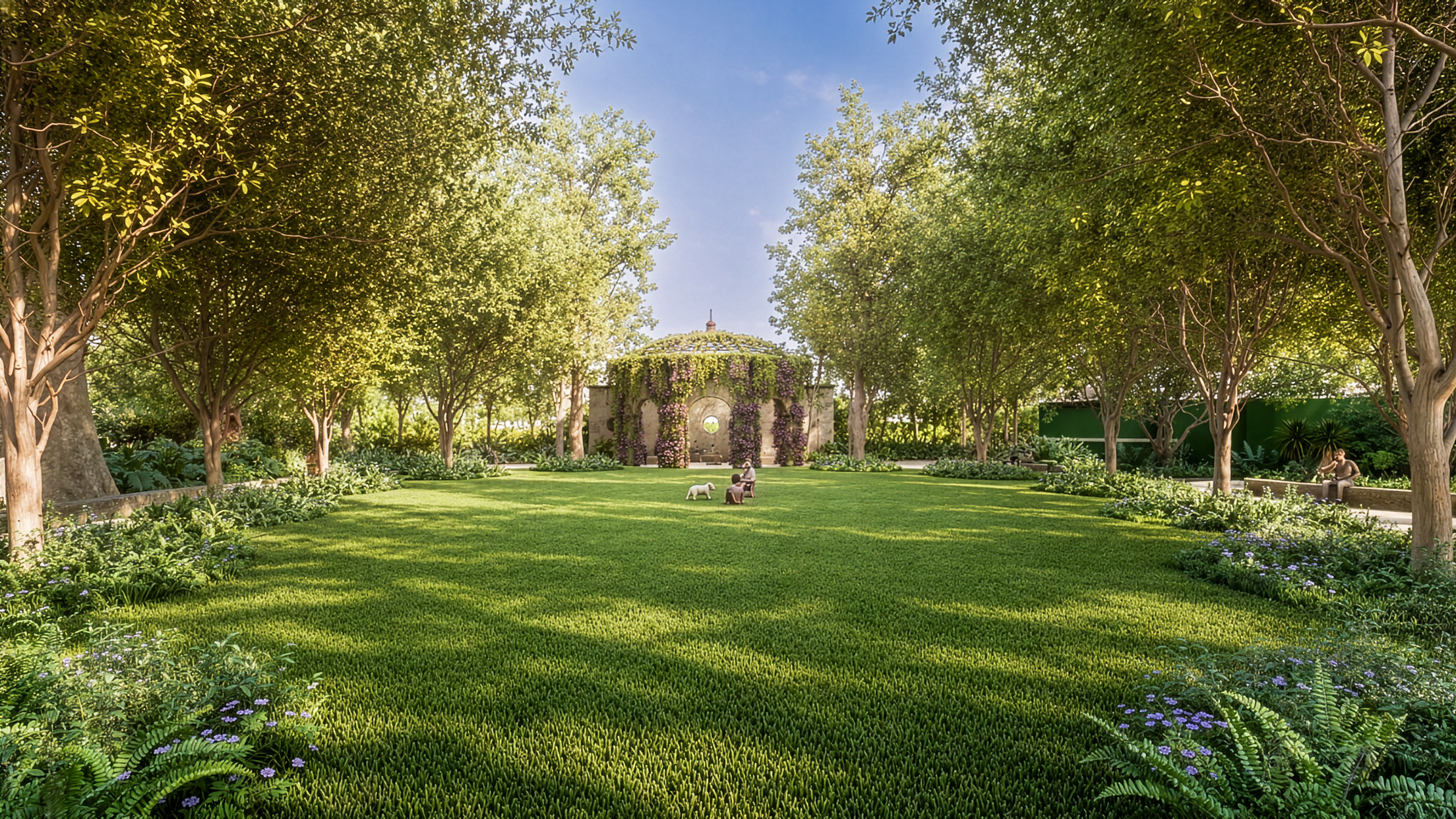
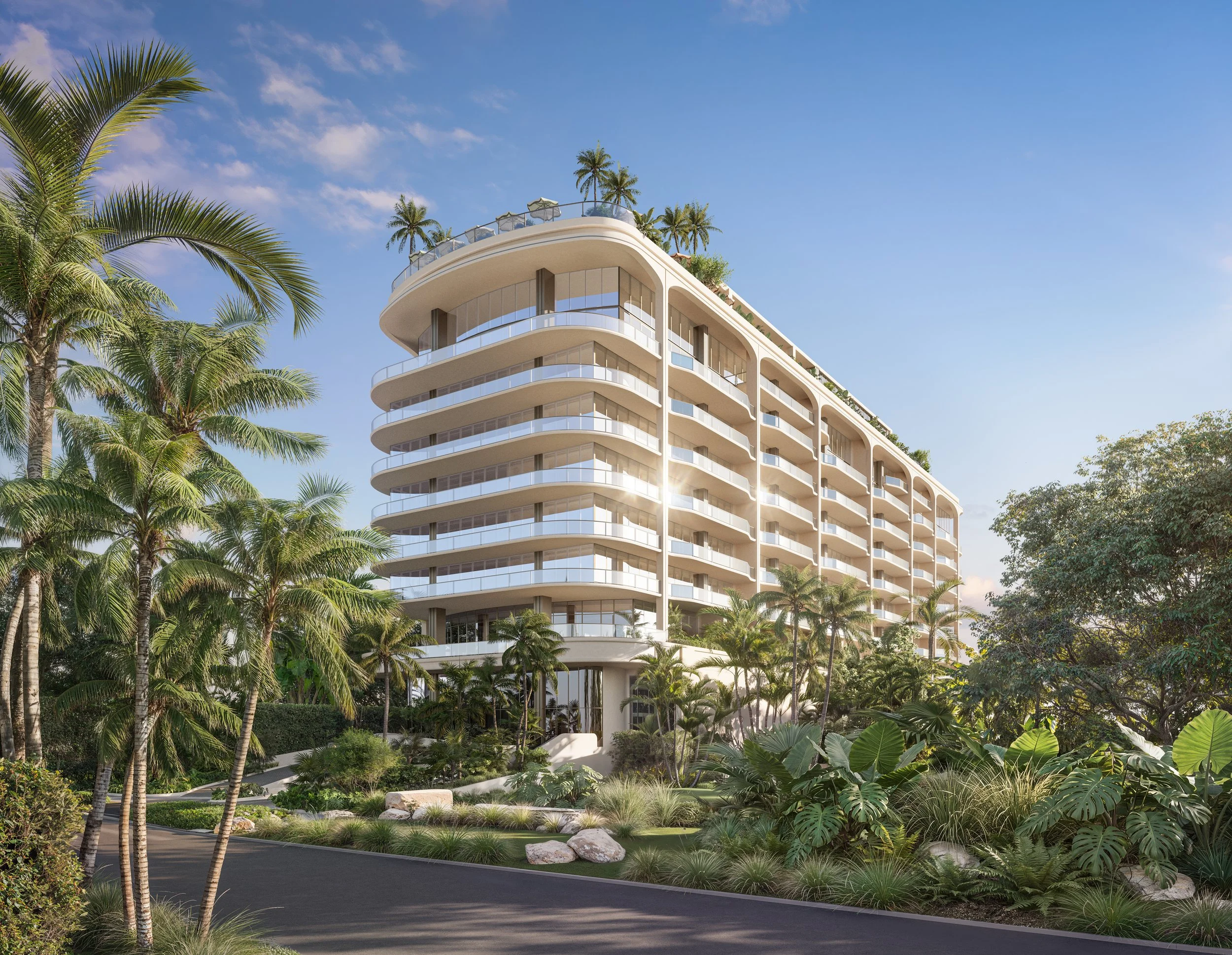
Ytech has unveiled 75 Broadway in Brickell: a 52-story collection of 106 homes from $3 million, designed by KPF with ACPV interiors and Enea landscapes. Completion is anticipated in late 2029.