
Check Out This Miami Beach Home Built By Lawrence Murray Dixon, The Architect Behind the Historic Art Deco District
Miami Beach has been known for it's historic Art Deco architecture since the movement began in the 1930's. One of the most crucial figures responsible for the development of "Tropical Art Deco" style was architect Lawerence Murray Dixon.
Miami Beach has been known for it's historic Art Deco architecture since the movement began in the 1930's. One of the most crucial figures responsible for the development of "Tropical Art Deco" style was architect Lawerence Murray Dixon. Dixon was a prolific figure who put South Beach on the map by designing the buildings and interior decor of many Miami Beach homes and most notably responsible for 42 hotels located in what is now known as the Historic Art Deco District, including the Raleigh, Ritz Plaza, Victor, Tides, Marlin, Tiffany and Betsy Ross.
One of his many works of art includes this recently listed Miami Beach home on Michigan Avenue which was built in the 1940’s. The charming architecturally significant residence features 2,730 square foot with 4 bedrooms and 3 bathrooms. The home was recently renovated with by renowned interior designer Tomas Frenes, known for his furnishings featured throughout many 5-star hotels nationwide. Frenes was responsible for the updated design of the house while preserving the historic elements of the late Dixon's work.
The updated Lawrence Murray Dixon charming masterpiece blends the warmth of history and modern style.The floor plan is built for a seamless indoor and outdoor living environment and filled with an abundance of natural light. The home comes equipped to provide endless entertainment with a formal dining area, expansive living room and a gourmet chef's kitchen. When living in Miami Beach an outdoor paradise is almost a requirement, the backyard of this home serves as an entertaining with a heated pool and spa topped with your own modern summer kitchen. The home is listed for just under $2 million with Francisco Navarro and Sam Gaita of Douglas Elliman.
Images via Douglas Elliman
Historic Art Deco Home Renovated By Bravo’s Alex Alonso Hits Market On Espanola Way
An art deco home renovated by Bravo’s “Best Room Wins” winner and awarded designer, Alex Alonso, has been listed for $1,390,000 with Sam Gaita and Frank Navarro of Douglas Elliman. Built in 1936 by architect Harry O. Nelson, the historic Miami Beach home is listed in the National Historic Register and is a prime example of the “Med-Deco” style, a fusion of Mediterranean and Art Deco.
An art deco home renovated by Bravo’s “Best Room Wins” winner and awarded designer, Alex Alonso, has been listed for $1,390,000 with Sam Gaita and Frank Navarro of Douglas Elliman. Built in 1936 by architect Harry O. Nelson, the historic Miami Beach home is listed in the National Historic Register and is a prime example of the “Med-Deco” style, a fusion of Mediterranean and Art Deco, which is found primarily in the historic area of Espanola Way. The home is located at 836 Espanola Way, Miami Beach, FL and the original Art Deco architecture was preserved including original tile floors, ceiling beams and art deco fire place. Mixing the old with new elevated style Alonso added a Bertazonni Italian Kitchen, Phillippe Starck and Porcelanosa bathrooms, custom Italian-style cabinetry and wardrobes and wood herringbone floors throughout.
The furniture seen throughout the upgraded Med-Deco home is actually from the Art Deco or Mediterranean periods, and customized pieces with upholstery were placed to make things feel more modern and whimsical. The 3 bedroom 2.5 bath charming home also features an added salinated modern pool that rivals Miami’s best boutique hotels and sits on a ¼ acre lot.
Located on Espanola Way, during the Florida land boom in the 1920s, Miami Beach was quickly becoming a scene for the rich and famous. Española Way was the brainchild of real estate developers N.B.T. Roney and William Whitman who envisioned a place with Barcelona’s flair and the luxury of the French Riviera. This area of Miami Beach was built in 1925 as a “Historic Spanish Village,” and no detail was left untouched. Like much of South Beach, Española Way lost a bit of its charm by the mid-20th century due to crime, gangsters, and neglect. It wasn’t until the '80s when developer Linda Polansky worked to revive the city and specifically Española Way. By the mid-'80s the area had become one of the backdrops on "Miami Vice."
For more information about 836 Espanola Way, Miami Beach, private showings or purchasing/ leasing information please fill out the form below:
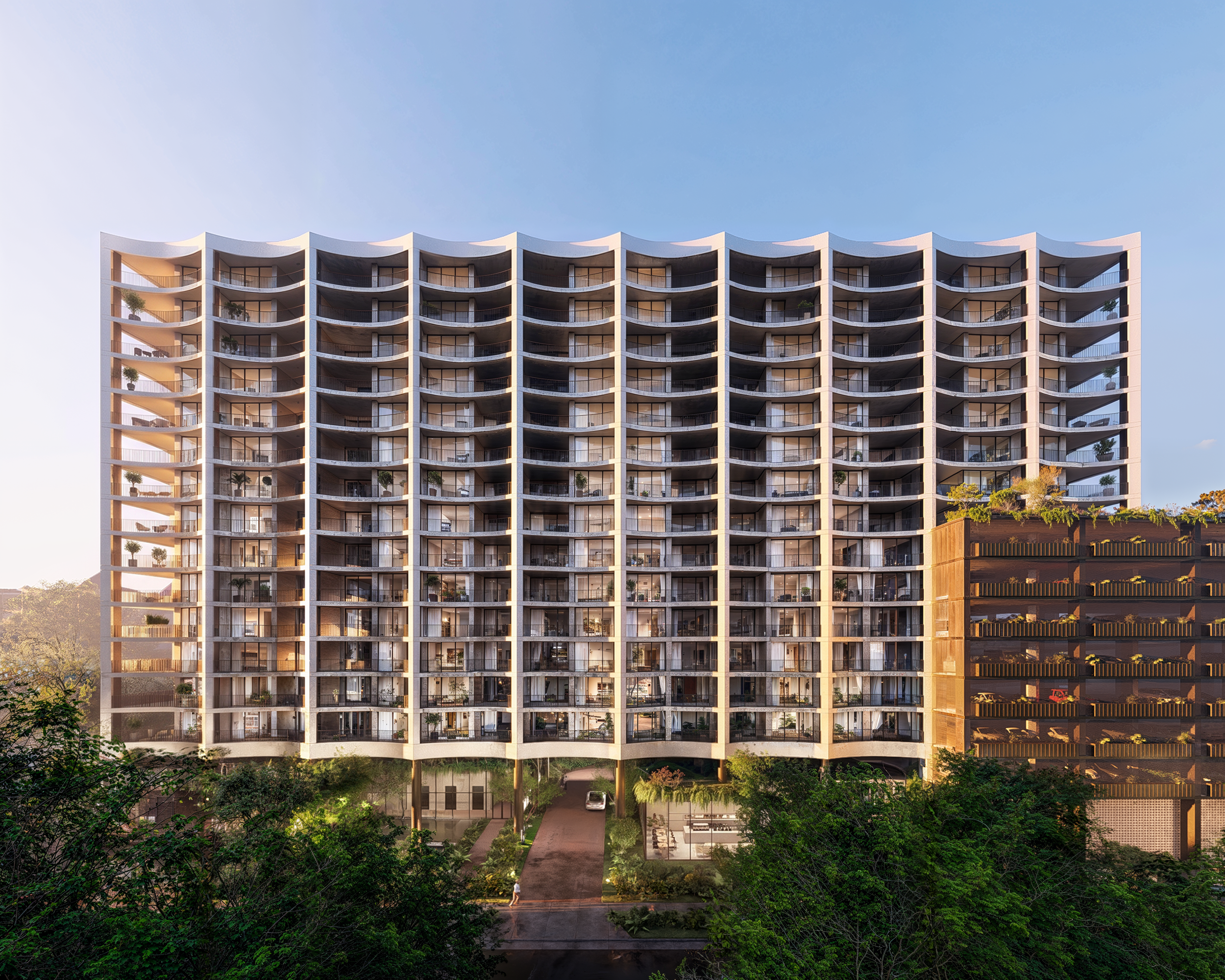
Mast Capital and BH Group have announced Raffles Residences Coconut Grove, the brand’s first standalone residential development, with 35 homes from $4.5 million and architecture by Brandon Haw.