

Adam Neumann Launches First Condo Project at Miami Worldcenter
Adam Neumann, co-founder of Flow, has announced the launch of his first condominium development project in Downtown Miami, marking Flow's expansion into the ownership market. The project, named Flow House, will be located in Miami Worldcenter and will include 466 units spread across 40 stories. Slated for delivery in 2025, Flow House will offer luxury living with a range of amenities, including coworking spaces, a fitness center, poolside restaurant, and spa.
Adam Neumann, co-founder of Flow, has announced the launch of his first condominium development project in Downtown Miami, marking Flow's expansion into the ownership market. The project, named Flow House, will be located in Miami Worldcenter and will include 466 units spread across 40 stories. Slated for delivery in 2025, Flow House will offer luxury living with a range of amenities, including coworking spaces, a fitness center, poolside restaurant, and spa. Sales will be managed by One World Properties led by Peggy Olin, with prices starting at $450,000 for studios.
Flow House is designed to address the growing demand for community-focused urban living, reflecting Flow’s ethos of integrating work, wellness, and connectivity into the residential experience. The project targets a wide range of buyers, with options from studios to larger one-bedroom units, all offering floor-to-ceiling windows and high-end finishes. Some units include private balconies, and residents can upgrade to gourmet kitchens as part of the customization options available.
Located at 697 N Miami Avenue, Flow House is part of the rapidly growing Miami Worldcenter district, a prime location close to restaurants, entertainment, and major transportation networks. The development aims to provide residents with both the convenience of city living and the wellness-focused amenities associated with Flow properties.
“We learned while building Flow over the last two years that the exact same needs faced by renters are also faced by owners in terms of lack of community and lack of connectivity,” said Flow co-founder Adam Neumann. “We are excited to build upon our vision and bring the full Flow experience, which is rooted in community and a sense of belonging, to anyone looking for a better experience from their permanent residence.”
In addition to the residential units, Flow House will feature a variety of shared spaces designed to enhance the resident experience, including coworking areas, a resort-style pool, yoga studios, and concierge services. The development also includes amenities such as a dog run, restaurant, and spa facilities, which cater to both the professional and leisure needs of residents.
Flow, which has been supported by venture capital firm a16z, is expanding its portfolio across the U.S. and internationally. The Miami condo project represents a major milestone in the company’s growth as it continues to develop properties that prioritize community, connectivity, and sustainable living.
For more information about Flow House or to inquire about purchasing a unit please fill out the form below:
WeWork Co-Founder Adam Neumann Buys Bal Harbour Marina Properties For $44 Million
Ousted WeWork Co-Founder Adam Neumann has acquired two home sites on the Bal Harbour Marina for $44 million. Neuman recently sold his estate in Northern California for $22.4 million and joined the influx of wealthy investors moving to South Florida.
Ousted WeWork Co-Founder Adam Neumann has acquired two home sites on the Bal Harbour Marina for $44 million. Neuman recently sold his estate in Northern California for $22.4 million and joined the influx of wealthy investors moving to South Florida. The off-market transaction was overseen by Tony Imbesi, who represented the seller, and Brett Harris of Douglas Elliman represented the buyer.
The double-lot property spans 50,000 SF and offers 360’ of waterfront with multiple boat slips. A 14,500 SF home is under construction on one lots which Neuman plans to finish.
Neuman purchased the property from real estate investor Joseph Imbesi, who also owns the former site of the Bal Harbour Yacht Club which is listed for $65 million on the tip of the Bal Harbour Marina. Imbesi purchased the shares of the Bal Harbour Club in the 1990s for $19,000,000. The Bal Harbour Club owned 5.5 acres on the beach, where Oceana Bal Harbour is now located and 10 acres on the bay, where the $65 million lot of land sits. The properties were owned by the proprietary members of the club and they wanted to sell so Imbesi bought all of the individual shares to gain control of the company and the assets that it owned.
For more information about homes in Bal Harbour, private showings or purchasing/ leasing information please fill out the form below:
WeWork Leaves Lincoln Road Location As Landlord Seeks $19.5 Million In Unpaid Rent
WeWork’s trouble’s due to COVID-19 continue as the landlord of their 350 Lincoln Road location has sued the co-working giant in Miami-Dade Circuit Court. SML 350 Lincoln Inc., an entity controlled by Shaul Levy and Meir Levy, alleges that WeWork breached their lease by failure to pay rent in April, May and June.
WeWork’s trouble’s due to COVID-19 continue as the landlord of their 350 Lincoln Road location has sued the co-working giant in Miami-Dade Circuit Court. SML 350 Lincoln Inc., an entity controlled by Shaul Levy and Meir Levy, alleges that WeWork breached their lease by failure to pay rent in April, May and June while occupying the 40,000 square foot space and now owes in-excess of $19.5 million in back-rent and legal fees. WeWork said in a statement that the lawsuit is without merit and will continue to work with the landlord to resolve the situation in a mutually beneficial fashion. WeWork’s 16-year lease at 350 Lincoln Road began in November 2014 and runs through October 2030.
WeWork will close the Lincoln Road location on August 14 and has also moved to consolidate its Miami Beach members to 429 Lenox Avenue. Last month we reported that Goddard Investment Group has moved to evict WeWork from the Lenox Avenue location, but the two parties were reportedly able to resolve their differences.
WeWork, which is now led by CEO Sandeep Mathrani, still has locations in Downtown Miami, Brickell and Coral Gables. Times have not been good to WeWork following its failed IPO in 2019. The coworking giant recently announced that it will being closing its first location to ever open in New York City and saw its valuation slashed from over $47 billion to $2.9 billion.
In May 2020, a group of WeWork’s members moved toward suing the co-working giant demanding that WeWork cease collecting rental fees. Many tenants had already requested rent relief, cancelled their leases or stopped paying, which put over $5.5 billion of CMBS loans backed by WeWork occupied properties at risk. Some of the CMBS loans back WeWork flagship locations in New York and San Francisco. WeWork has retained Newmark Knight Frank and JLL to try to renegotiate leases and negotiate concessions from landlords at some of their properties as the firm try to stave off a potential bankruptcy.
WeWork’s problems do not end there. Former CEO and co-founder Adam Neumann is reportedly under investigation for self-dealing by the New York State Attorney General. In addition, the Tokyo-based SoftBank led by Masayoshi Son and a special committee of WeWork board members have been locked in a legal battle after Softbank walked away from a $3 billion tender offer in April 2020 which was part of the $9.5 billion bailout package SoftBank signed with WeWork following WeWork’s failed IPO.
Goddard Investment Group Moves To Evict WeWork From South of Fifth Location
WeWork’s landlord at 429 Lenox Avenue, Goddard Investment Group, has moved to evict WeWork from their South of Fifth location at 429 Lenox Avenue in South Beach. The 43,500 SF building is fully leased by WeWork who skipped out on rent payments for April, May and June.
WeWork’s landlord at 429 Lenox Avenue, Goddard Investment Group, has moved to evict WeWork from their South of Fifth location at 429 Lenox Avenue in South Beach. The 43,500 SF building is fully leased by WeWork who skipped out on rent payments for April, May and June. An eviction notice reportedly alleges WeWork behind in excess of $650,000 in unpaid rent which must be paid by today or WeWork must vacate the property (July 7, 2020). WeWork first opened the South of Fifth location in early 2016 and is committed to the NNN lease until 2031. Goddard Investment Group financed 429 Lenox Ave. with a $23 million floating-rate loan issued by Granite Point Mortgage Trust, Inc. In Miami WeWork has other locations at 350 Lincoln Road, Brickell, Downtown Miami and Coral Gables.
Times have not been good to WeWork following its failed IPO in 2019. The coworking giant recently announced that it will being closing its first location to ever open in New York City and saw its valuation slashed from over $47 billion to $2.9 billion.
In May 2020, a group of WeWork’s members moved toward suing the co-working giant demanding that WeWork cease collecting rental fees. Many tenants had already requested rent relief, cancelled their leases or stopped paying, which put over $5.5 billion of CMBS loans backed by WeWork occupied properties at risk. Some of the CMBS loans back WeWork flagship locations in New York and San Francisco. WeWork has retained Newmark Knight Frank and JLL to try to renegotiate leases and negotiate concessions from landlords at some of their properties as the firm try to stave off a potential bankruptcy.
WeWork’s problems do not end there. Former CEO and co-founder Adam Neumann is reportedly under investigation for self-dealing by the New York State Attorney General. In addition, the Tokyo-based SoftBank led by Masayoshi Son and a special committee of WeWork board members have been locked in a legal battle after Softbank walked away from a $3 billion tender offer in April 2020 which was part of the $9.5 billion bailout package SoftBank signed with WeWork following WeWork’s failed IPO.
WeWork Lawsuit-Threat By Tenants Requesting Rent Relief Sends Shudders Through $5.5 Billion Of CMBS Debt
A group of WeWork’s members have moved toward suing the co-working giant in a letter sent by Walden Macht & Haran demanding that WeWork cease collecting rental fees. Many tenants have already requested rent relief, cancellation of their leases or stopped paying, which has put over $5.5 billion of CMBS loans backed by WeWork occupied properties at risk,
A group of WeWork’s members have moved toward suing the co-working giant in a letter sent by Walden Macht & Haran demanding that WeWork cease collecting rental fees. Many tenants have already requested rent relief, cancellation of their leases or stopped paying, which has put over $5.5 billion of CMBS loans backed by WeWork occupied properties at risk. Some of the CMBS loans back WeWork flagship locations in New York and San Francisco. WeWork, who was previously valued at $47 billion before dropping to a pre-covid valuation of $8 billion, has been working to renegotiate leases and has even skipped out to rent at some of their properties. This has in turn caused the price of bonds backed by payments from WeWork to fall drastically.
WeWork has made an effort to keep their locations open during the COVID-19 pandemic, but many of their tenants have expressed that they think WeWork should have shut their locations. Should WeWork not, Jim Walden of Walden Macht & Haran, threatened to start an arbitration process for WeWork members if the company continues to collect the fees in his letter to the company.
“State and local authorities around the country have directed businesses to cease operation and have prohibited workers, including our clients, from using their workplaces,” said Jim Walden. “As long as this pandemic prohibits our clients from using their WeWork office spaces, the purpose of their membership agreements is frustrated, thus excusing their obligation to pay membership fees.”
Tenants have accused WeWork of turning their backs on small business by continuing to collect fees. Due to WeWork’s short term lease model, the co-working giant is more at risk than the standard office landlord as many of WeWork’s tenants have elected not to renew and can be more flexible about actually going to an office as opposed to working from home. Many of WeWork’s tenants do not want to take the risk of going to their WeWork office location during the middle of the COVID-19 pandemic with 1.37 million confirmed cases in the US. Walden claims that the way the leases are structured are closer to that of gym memberships as opposed to true office leases, meaning that under New York law members are not liable for payments if they cannot physically access the space.
“Our clients have no legal obligation to pay their membership fees while the purpose of their membership agreements remains frustrated by the COVD-19 pandemic,” Walden wrote. “Ignoring this fact, WeWork continues charging these members full monthly fees and refuses to offer concessions or compromise.”
WeWork’s problems do not end there. Former CEO and co-founder Adam Neumann is reportedly under investigation for self-dealing by the New York State Attorney General. Additionally, one of WeWork’s major financial backers, the Tokyo-based SoftBank led by Masayoshi Son, walked away from a $3 billion tender offer in April 2020 which was part of the $9.5 billion bailout package SoftBank signed with WeWork in October 2019 following WeWork’s failed IPO. In May 2020 a special committee of WeWork board members filed a motion in Delaware to prevent SoftBank from disbanding the company as they purse legal action against the majority owner SoftBank Group Corp. WeWork’s special committee also represents minority shareholders including co-founder Adam Neumann. SoftBank and the SoftBank Vision Fund, which is a tech-focused venture capital fund with includes capital from the Saudi Arabian and Abu Dhabi sovereign wealth funds, Apple, Qualcomm, Foxconn and Sharp, have invested $14.25 billion into WeWork.
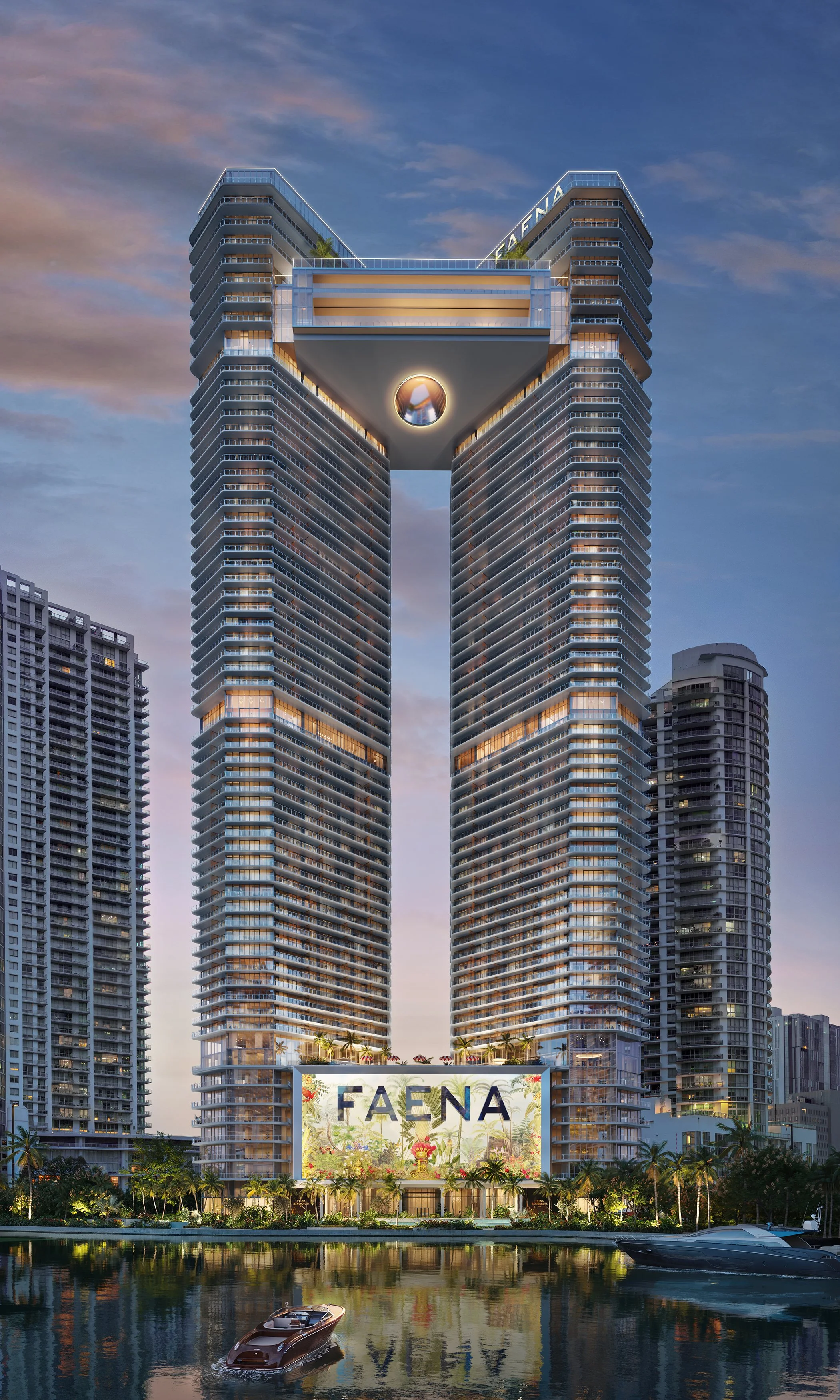
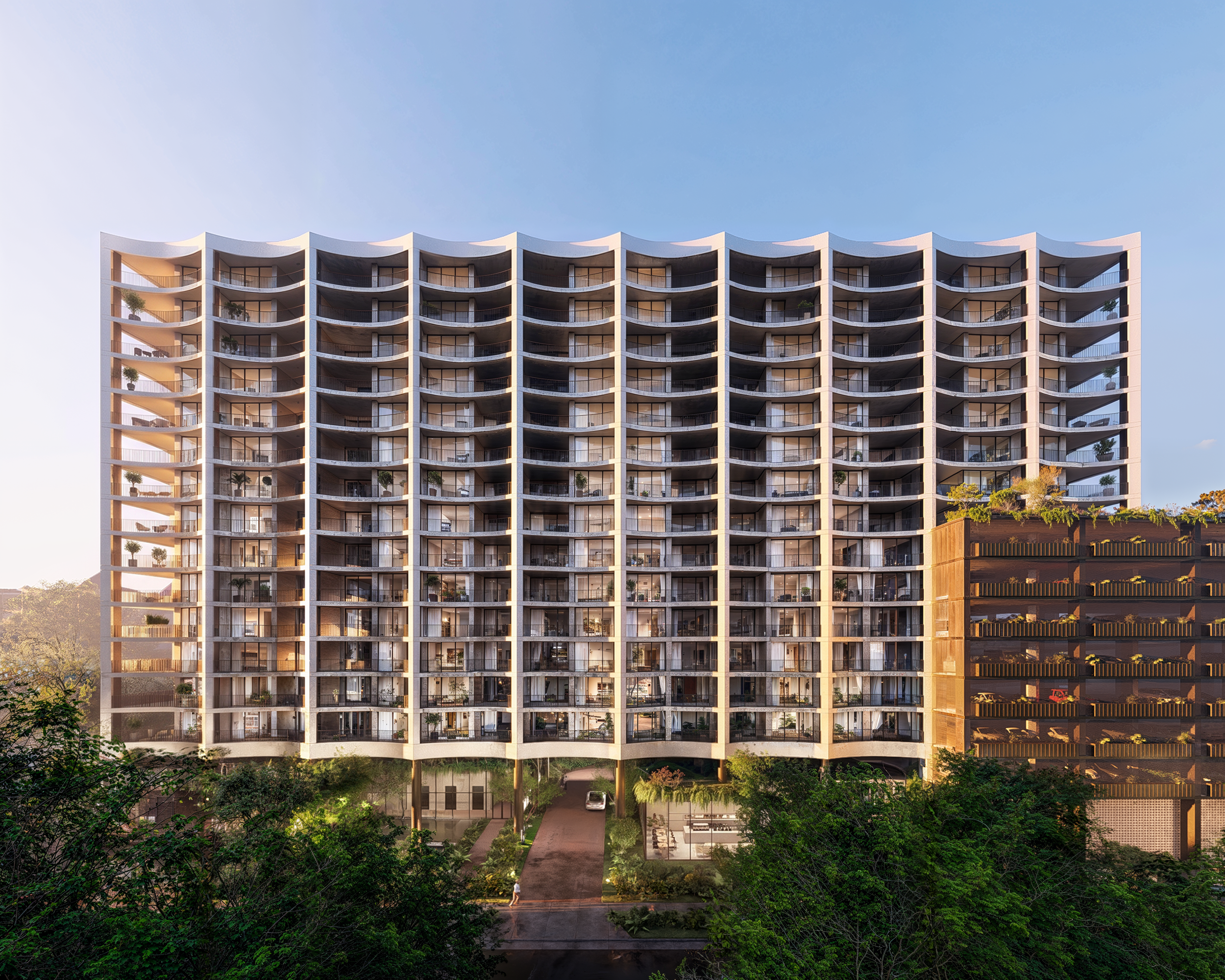
Mast Capital and BH Group have announced Raffles Residences Coconut Grove, the brand’s first standalone residential development, with 35 homes from $4.5 million and architecture by Brandon Haw.